
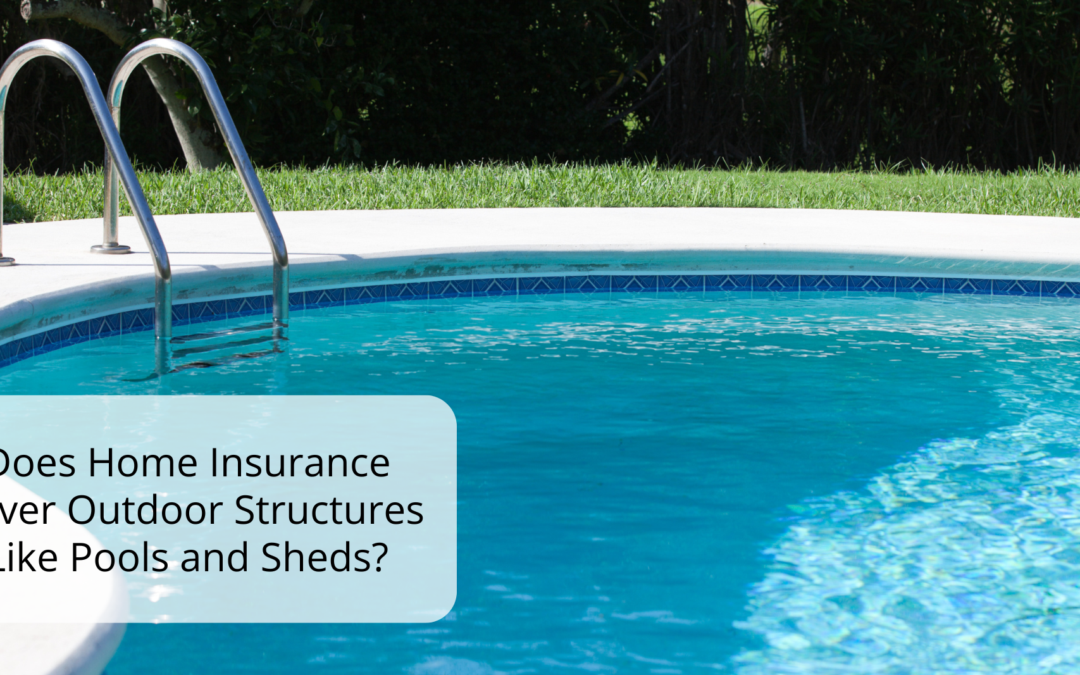
For many homeowners, the backyard is an extension of the living space. Whether it involves a new storage shed, a custom gazebo, or a backyard pool, these features add functionality and value to a property. However, it is important to understand how a standard homeowners insurance policy typically categorizes and protects these detached items.
In insurance terms, these features generally fall under Coverage B, often referred to as “Other Structures.” Understanding the limits and requirements of this coverage can help you manage your property’s risks as we move through 2026.
What Qualifies as an “Other Structure”?
A standard homeowners policy is usually divided into different sections. While Coverage A protects the main dwelling, Coverage B is designed for structures that are not physically attached to the house.
Common examples of other structures may include:
- Detached Garages and Sheds: Buildings used for storage, workshops, or vehicle housing.
- Fences and Gates: Perimeter structures that define property lines.
- Gazebos, Pergolas, and Greenhouses: Decorative or functional garden structures.
- Swimming Pools: Both in-ground and permanently installed above-ground pools are typically classified here.
- Guest Houses: Small, unattached living quarters (provided they are not used for regular rental income).
Coverage Limits and the 2026 Economic Climate
In a typical policy, the limit for “Other Structures” is set at a percentage of your main dwelling coverage—commonly 10%. For example, if a home is insured for $400,000, the default limit for all other structures combined would be $40,000.
In 2026, many homeowners are finding that these default limits may no longer align with current reality. Due to the rising costs of construction materials and specialized labor, rebuilding a high-end shed or a modern in-ground pool can often exceed that 10% threshold.
Helpful Tip: If you have recently added a major feature like a pool or a custom outbuilding, it may be beneficial to review your Coverage B limit. Many policies allow you to increase this specific limit to better reflect the actual replacement cost of your backyard assets.
Special Considerations for Swimming Pools
Pools are unique because they represent both a significant property investment and a notable liability risk.
Property Protection
Most policies provide “open perils” coverage for in-ground pools, meaning they are protected against many types of sudden and accidental damage, such as a falling tree or a fire. However, there are common exclusions to keep in mind:
- Freezing: Damage caused by the weight of ice or the freezing of water inside the pool is typically not covered. Proper winterization is generally considered a maintenance responsibility.
- Earth Movement: Damage resulting from an earthquake or shifting soil is often excluded from standard policies.
Liability and the “Attractive Nuisance” Doctrine
From an insurance perspective, a pool is often considered an “attractive nuisance”—a feature that may entice children to enter the property. Because of this, insurance carriers often have strict safety requirements for pool owners:
- Fencing: Most insurers require a perimeter fence (usually 4 to 5 feet high) with a self-closing, self-latching gate.
- Safety Equipment: Some carriers may require the removal of diving boards or slides, which are often viewed as high-risk features.
- Umbrella Coverage: Because pool-related injuries can lead to significant legal and medical costs, many homeowners choose to supplement their standard liability limits with a Personal Umbrella Policy.
What Is Generally Excluded?
While “Other Structures” coverage is broad, it is not all-encompassing. Policies typically exclude:
- Business Use: If you run a commercial workshop or a retail business out of a detached shed, that structure—and the equipment inside—may not be covered under a standard homeowners policy.
- Gradual Wear and Tear: Damage from pests, rot, or a lack of routine maintenance is generally not eligible for a claim.
- Flooding: Just like the main house, detached structures require a separate flood insurance policy to be protected against rising groundwater.
Managing Your Property Protection
A backyard upgrade is a significant investment, and ensuring it is appropriately documented is a key part of responsible homeownership. Many people find it helpful to keep receipts and photos of new structures to assist in the event of a future claim.
Because every policy has different terms and every backyard has unique features, there is no universal “one-size-fits-all” coverage amount. An independent insurance agent can help you review your current “Other Structures” limits and explain how specific exclusions might apply to your property. By reviewing your coverage in light of today’s rebuilding costs, you can make an informed decision that helps protect your entire property, from the front door to the back fence.
Disclaimer: The information provided in this article is for educational purposes only. This is not an insurance policy or a legal contract. Coverage options, limits, and exclusions vary significantly by state, insurance provider, and individual policy terms. All claims are subject to the specific terms and conditions of the policy in force at the time of the loss. It is important to consult with a qualified insurance professional for advice tailored to your specific situation.